


ELECTRO STATIC PRECIPITATORS

What is an Electrostatic Precipitator?
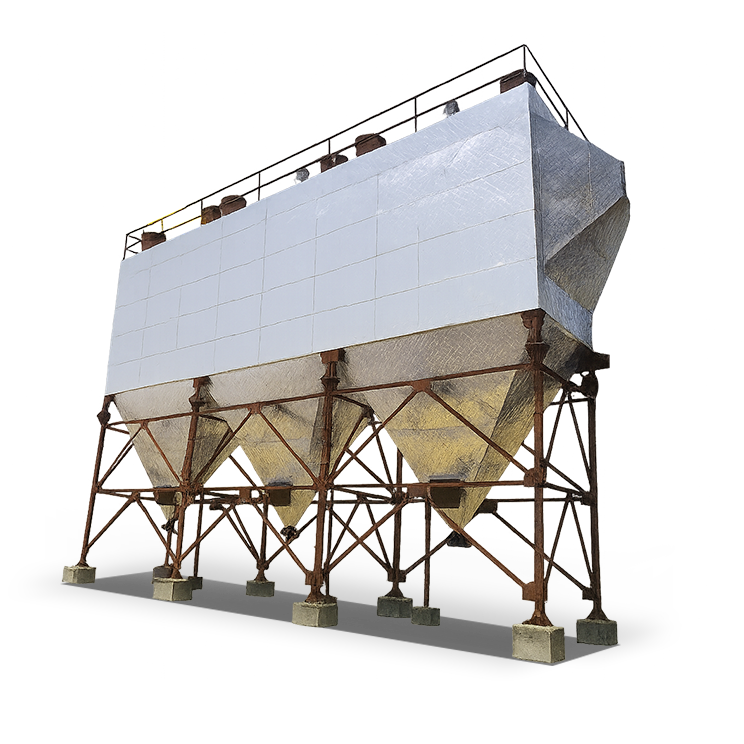
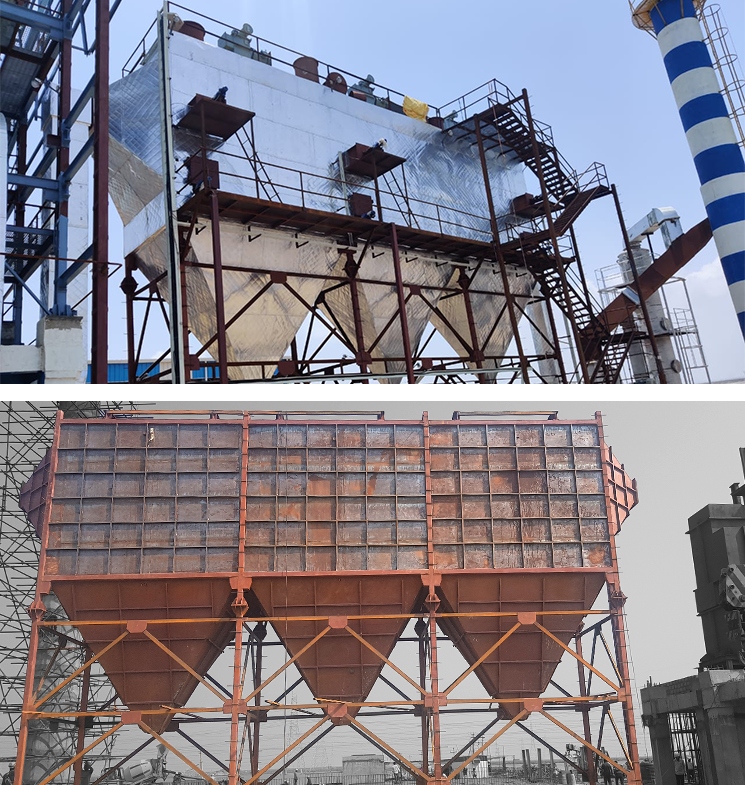
An Electrostatic Precipitator (ESP) is a critical air pollution control device designed to separate solid particulate matter from contaminated industrial gas streams. Utilizing high-voltage electrostatic charges, an ESP effectively captures fine dust, smoke, and mist, ensuring that industrial emissions meet stringent environmental regulations.
How an Electrostatic Precipitator Works
The filtration process occurs in four distinct stages within the ESP chamber:
- Ionization: Contaminated air enters the Corona Chamber, where high-voltage electrodes emit electrons, ionizing the gas stream.
- Charging: As suspended particles pass through this electron field, they gain a negative charge.
- Collection: These charged particles migrate toward grounded Collection Plates, where they adhere and accumulate.
- Removal (Rapping): Periodically, the collection plates are struck by mechanical "Rappers" (mallet-type hammers). This causes the accumulated dust to fall into Hoppers at the base of the unit for safe disposal.
Types of ESP Units
Depending on your specific gas composition and temperature, we offer three primary configurations:
- Dry Negative Corona Units: The most frequent industrial choice due to superior voltage/current characteristics and high durability in dry gas environments.
- Wet Negative Corona Units: Utilized when gas streams are saturated or contain sticky particulates that require water-flushing for removal.
- Wet Positive Corona Units: Specialized for high-efficiency acid mist (SO3) and ammonia control.
Key Advantages of the ESP System
- Unmatched Efficiency: Capable of achieving up to 99% removal efficiency, even for sub-micron sized particles.
- Low Operating Costs: Low energy consumption and minimal pressure drop significantly reduce utility bills compared to baghouses or scrubbers.
- High Temperature Tolerance: Our "Hot Gas" designs can operate seamlessly at temperatures exceeding 450°C.
- Durability: Minimal mechanical wear and low maintenance requirements ensure a long service life with reduced spare part costs.
Technical Features of Our ESPs
- Versatile Flow Options: Available in both horizontal and vertical flow configurations.
- Scalable Capacity: Dry type designs optimized for gas volumes from 5,000 m³/hr to 1,00,000 m³/hr.
- Specialized Applications: Custom-built units for corrosive gases, tar removal, and other difficult-to-handle materials.
Targeted Industry Applications
Our Electrostatic Precipitators are the preferred choice for emission control in:
- Power Generation: Coal and oil-fired boilers, coal dryers, and mills.
- Cement & Minerals: Kilns, mills, and coolers in cement, limestone, and gypsum plants.
- Metals & Mining: Electro-metallurgical plants and smelting operations.
- Pulp & Paper: Recovery boilers and lime kilns.
- Chemical & Waste: Incinerators, detergent manufacturing, and acid mist (SO2/SO3) control.
Frequently Asked Questions (FAQ) about Electrostatic Precipitator
While a Bagfilter uses physical fabric to "sieve" dust, an ESP uses electricity to "attract" dust. ESPs offer a much lower pressure drop, which saves significant fan energy, and they can handle much higher temperatures and corrosive gases that would destroy fabric bags.
Yes. For applications involving tar, mist, or high moisture, we provide Wet ESP designs. Instead of mechanical rapping, these units use a thin film of water to continuously wash the collection plates, preventing sticky buildup.
Because the process is electrostatic rather than mechanical, there is very little physical wear. With proper maintenance of the rapping system and correct gas conditioning, our high-quality plates and electrodes can last for decades.
Surprisingly, no. While the voltage is high, the actual current (amperage) is very low. When you factor in the energy saved from the low pressure drop (meaning your ID fan doesn't have to work as hard), an ESP is often the most energy-efficient filtration method available.
We utilize a sophisticated Automatic Voltage Control (AVC) system that constantly adjusts the corona power to prevent sparking and maximize particle migration, ensuring the unit operates at peak efficiency regardless of changes in gas composition.