



Flue Gas Desulphurization
Flue Gas Desulphurization (FGD) is a critical air pollution control technology designed to remove sulfur dioxide (SO₂) from the exhaust flue gases of fossil-fuel power plants, industrial boilers, and chemical furnaces. As environmental regulations become increasingly stringent, implementing a high-efficiency FGD system is essential for industrial compliance and sustainable operations.
High-Efficiency Desulphurization Technology
Sulfur dioxide is a major contributor to acid rain and respiratory health issues. Our FGD solutions utilize advanced chemical absorption and adsorption techniques to neutralize SO₂ before it is released into the atmosphere. Depending on your facility's specific requirements regarding water availability, space, and byproduct utilization, we offer three primary configurations:
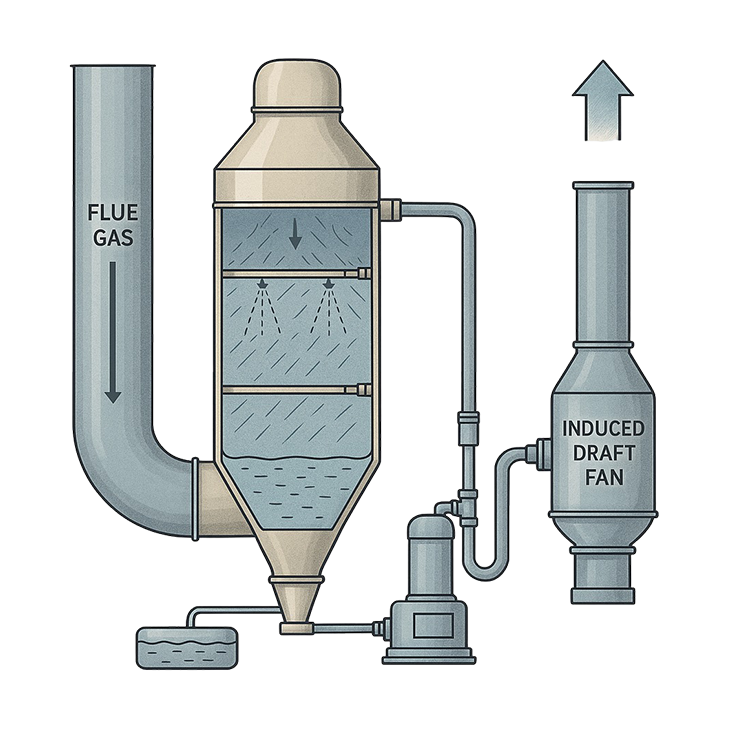
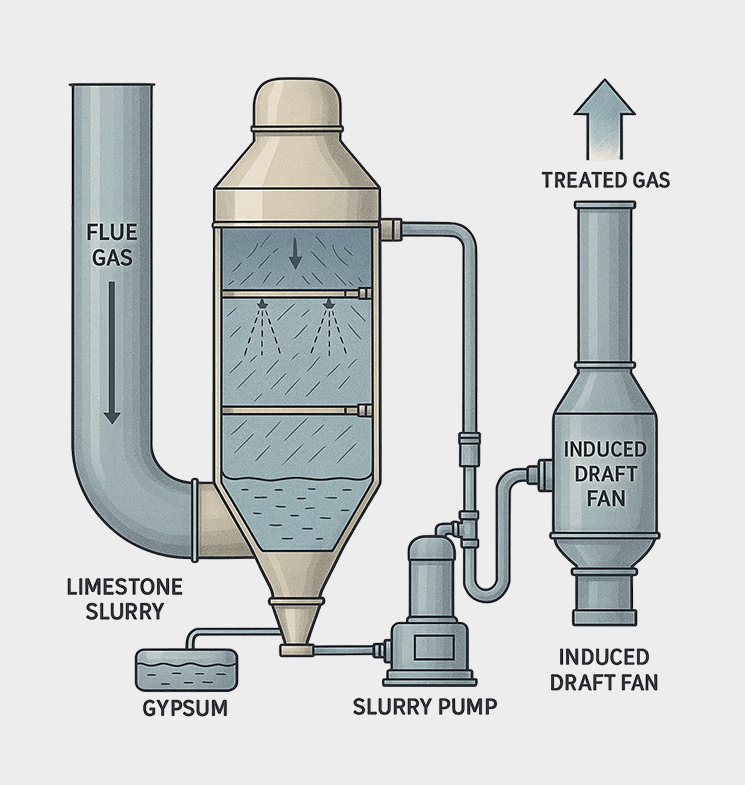
- Wet Scrubbing (Limestone/Lime): The most widely used method, involving an alkaline slurry that reacts with flue gas to produce gypsum. This method offers the highest SO₂ removal efficiency (up to 99%).
- Dry FGD System: Utilizes a dry sorbent injection into the flue gas stream. This is ideal for facilities with limited water resources and lower SO₂ concentrations.
- Semi-Dry (Spray Dryer) System: A hybrid approach where a lime slurry is atomized into the gas stream. The heat from the flue gas evaporates the water, leaving a dry waste product for easy disposal.
Key Advantages of Our FGD Systems
- Regulatory Compliance: Designed to meet and exceed global and local environmental emission standards.
- Operational Flexibility: Engineered to handle varying sulfur content in fuels, including high-sulfur coal and heavy oils.
- Resource Recovery: In wet systems, the byproduct (Gypsum) can often be reclaimed and sold for use in cement and wallboard manufacturing.
- Corrosion Resistance: Built using high-grade alloys and specialized linings to withstand the acidic nature of flue gas.
Industry Applications
FGD systems are a mandatory requirement for large-scale combustion processes across various sectors:
- Thermal Power Plants: Essential for coal and oil-fired utility boilers to reduce atmospheric pollution.
- Oil & Gas Refineries: Used in Fluid Catalytic Cracking (FCC) units and process heaters.
- Cement Manufacturing: To neutralize sulfur released from raw materials and kiln fuels.
- Chemical & Fertilizer Plants: Controlling emissions from sulfuric acid plants and specialized chemical reactors.
- Iron & Steel Industry: Managing exhaust from sintering plants and coke ovens.